
Microbes emerge from the permafrost
Leah Hromalik
When people talk about the dangers of global warming, they usually focus on rising sea levels or the risk of animal extinction. Yet the biggest risk may come from another place entirely.
In regions like Alaska, Siberia, the Arctic and Antarctica there are large sheets of permafrost that have been there for many thousands of years. But due to global warming the permafrost is beginning to melt, revealing many different types of microbes that haven’t been seen by humans for millennia. Most that have been found were harmless, but some pose a potential threat to humanity.
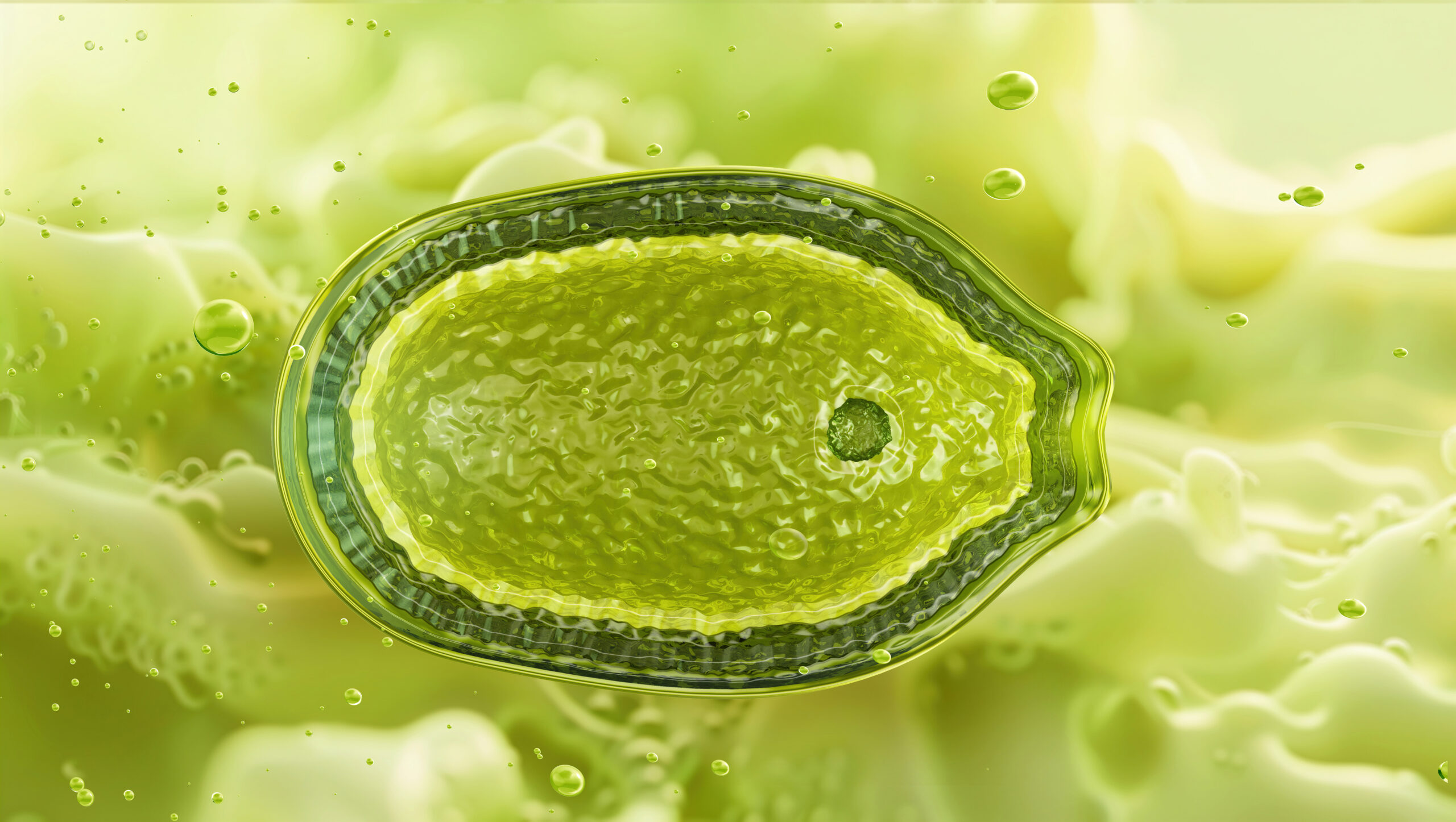
In 2022, in the Arctic circle, scientists discovered a 48,500-year-old virus called Pandoravirus Yedoma that was trapped in a sample of permafrost. It was a giant virus belonging to the Pandoravirus family whose members are 10-50 times larger than other viruses. Another strain, Pandoravirus Sibericum was also found in 2014 in Siberia and is 30,000 years old.
These viruses, thankfully only infect amoebas or other microbes but not all the reawakened microbes are that affable. In 2016 there was an epidemic of anthrax among a herd of reindeer during a particularly warm summer. It spread rapidly and then crossed over to infect farmers tending the reindeer.
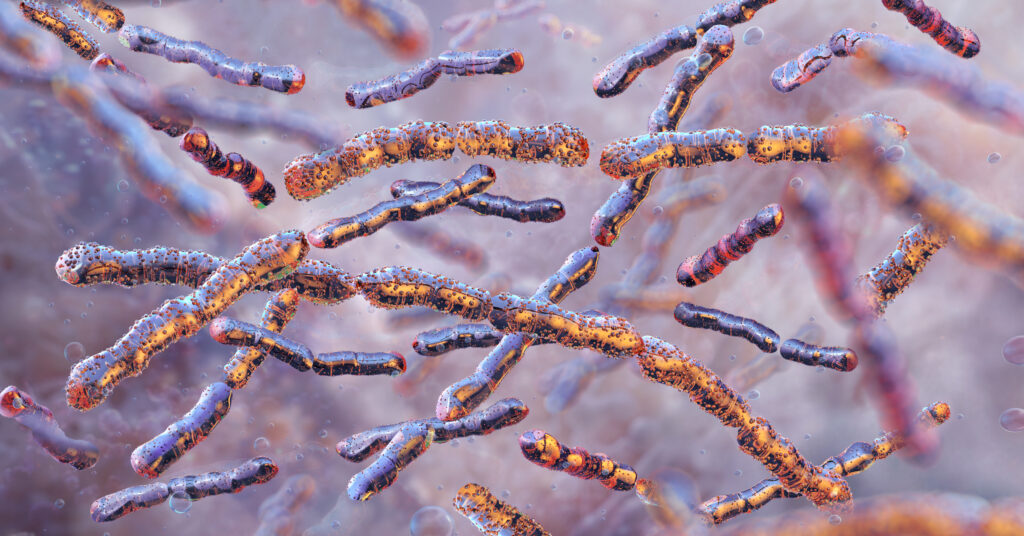
Many fell ill and a 14-year-old boy died. The culprit was a reindeer corpse that was frozen in the permafrost for many decades. Due to the warm conditions that year, the body resurfaced and came into contact with the herd. It is one of many corpses in Siberia hidden under a thin layer of permafrost.
This threat might be closer to home than one may think. In 2025 in Fairbanks, Alaska, a research team from Colorado university went to the Permafrost Tunnel to collect samples for research. They warmed up the ice cores they collected and discovered that some of the microbes have been trapped there since the late Pleistocene epoch. Once revived, most of the microbes discovered could not replicate. However, some did.
The ongoing discoveries have highlighted just how much scientists still do not know about the ancient microbes preserved beneath the ice.
References
- “Arctic Zombie Viruses in Siberia Could Spark Terrifying New Pandemic, Scientists Warn.” The Guardian, 21 Jan. 2024, www.theguardian.com/society/2024/jan/21/arctic-zombie-viruses-in-siberia-could-spark-terrifying-new-pandemic-scientists-warn.
- “Scientists Reawaken Ancient Microbes from Permafrost and Discover They Start Churning Out CO2 Soon After.” Live Science, 2024, www.livescience.com/planet-earth/arctic/scientists-reawaken-ancient-microbes-from-permafrost-and-discover-they-start-churning-out-co2-soon-after.
- Brumfiel, Geoff. “Anthrax Outbreak in Russia Thought to Be Result of Thawing Permafrost.” NPR, 3 Aug. 2016, www.npr.org/sections/goatsandsoda/2016/08/03/488400947/anthrax-outbreak-in-russia-thought-to-be-result-of-thawing-permafrost.
- “Climate Change: ‘Zombie’ Viruses Revived from Permafrost.” BBC News, 4 Mar. 2014, www.bbc.com/news/science-environment-26387276.