
By Bernice Silvas
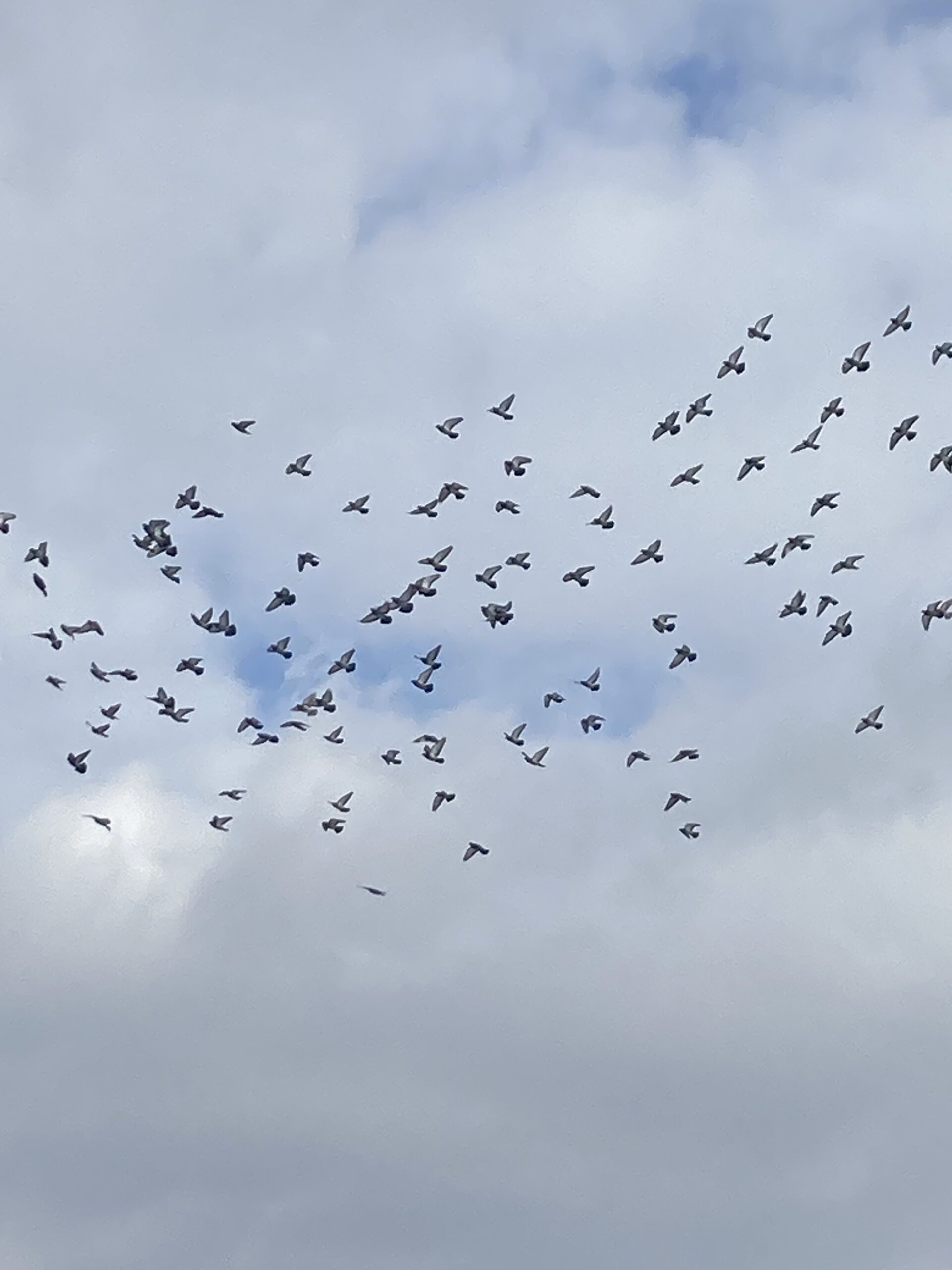
If you think taking data from a human was hard enough, you can’t imagine taking data from animals. It is a lot harder than it looks.
Fauna Counters
Conducting population counts is one of the many jobs of wildlife biologists and zoologists. This can be done by going into the animal’s environment, catching a few and recording important information like weight, and then tagging the animal in order to track its movements. Along with this, biologists may put cameras in the environments or modify tags to provide real-life data, i.e data that is recorded as the animal goes about its day, like how monarch butterfly tags are now able to connect to Bluetooth, which allows scientists to actively map out their migration patterns. This information can then be used to see if animal species are in decline before the problem is too severe and be used to change things that could hamper them, like how scientists in California are paying farmers to temporarily flood their farmland in order to provide habitats for migrating birds.
Flora Counters
As for plant populaces, the task of tracking is up to botanists and biologists. To start, scientists plan when the survey will be conducted, in order to account for dormant plants, plants that have varied growth seasons, and/or plants that may have stunted populations due to the environment. Then, once arriving at the site, they map the area, collect data on the plants via samples and extrapolate that data, and see the effects of the environment, like conservation efforts and human interactions like logging or tourists. Samples of noted plants, such as ones that seem to be hit with a seemingly new disease, may be taken for further analysis.
The information gathered can then be used to monitor a habitat, the changes it may undergo as time progresses, and that site’s response to human intervention and activities. It can also be used as a long-term tool to check a site’s overall health which is known as an indicator species. One example of this is the sugar maple, which has been known to indicate that a site’s soil drainage is good (water should filter through the soil, allowing plants adequate access to it and oxygen).
Works Cited
AG Explorer . “Wildlife Biologist.” AgExplorer | National FFA Organization, 2025, agexplorer.ffa.org/career/wildlife-biologist/.
American Museum of Natural History. “Biodiversity Counts Curriculum: Plant Inventory | AMNH.” American Museum of Natural History, 2026, www.amnh.org/learn-teach/curriculum-collections/biodiversity-counts/plant-identification/plant-inventory. Accessed 1 June 2026.
Bland, Alastair. “A California Wetland Program’s Flood of New Funding Lifts Hopes for Shorebirds.” Audubon, 6 Mar. 2024, www.audubon.org/magazine/california-wetland-programs-flood-new-funding-lifts-hopes-shorebirds. Accessed 1 June 2026.
California Native Plant Society. “Conducting Plant Searches – CNPS Conservation Tools.” Cnps.org, 2026, ct.cnps.org/get-involved/conducting-plant-searches/. Accessed 1 June 2026.
Cornell University: Cooperative Extension of Suffolk County. Cornell Cooperative Extension in Suffolk County Provides Equal Program and Employment Opportunities Indicator Plants for Site Conditions Can I Look at Plant Types on a Site and Know Something about Site Conditions? 2020.Gardenia.net. “35 Best Flowering Trees for a Spectacular Garden Display.” Gardenia, 2024, www.gardenia.net/guide/best-flowering-trees-for-spectacular-garden-display. Accessed 1 June 2026.