
By Leah Hromalik
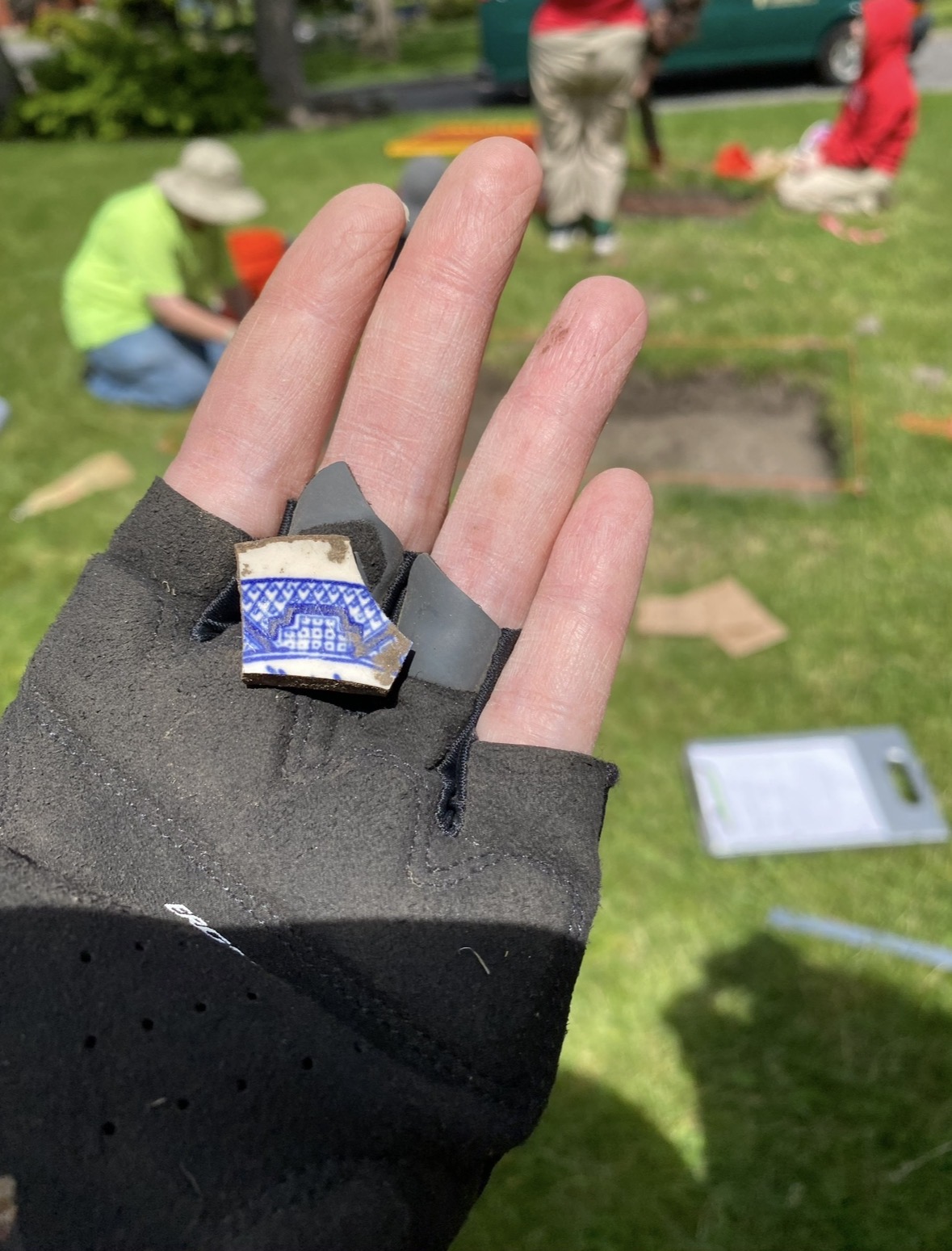
Archaeologists do more than just dig for artifacts—they carefully record everything they find. At the McWhorter House, the field group documents each discovery by noting exactly where it was found, how deep it was buried, and what other objects were nearby. This information helps archaeologists understand how artifacts relate to one another and tells a more complete story about the people who lived there.
Each item is photographed, labeled, and placed in a bag with important details, such as its location and date of discovery. Back in the lab, archaeologists clean the artifacts and examine them more closely. They sort items into groups, including ceramics, glass, bones, metal, and other household materials.
The data collected from these artifacts can reveal patterns in daily life. For example, counting animal bones may show what families ate, while studying broken dishes can suggest when a home was occupied. Archaeologists may compare their findings with historical records, maps, and other sites to better understand the past.
As a bonus, the group also discovered a fossilized tree, pictured above. This remarkable find offers a glimpse even further into the area’s natural history. Every carefully documented object helps turn discoveries into evidence and evidence into stories about the past.