
By Bernice Silvas
Animal Dentistry Today
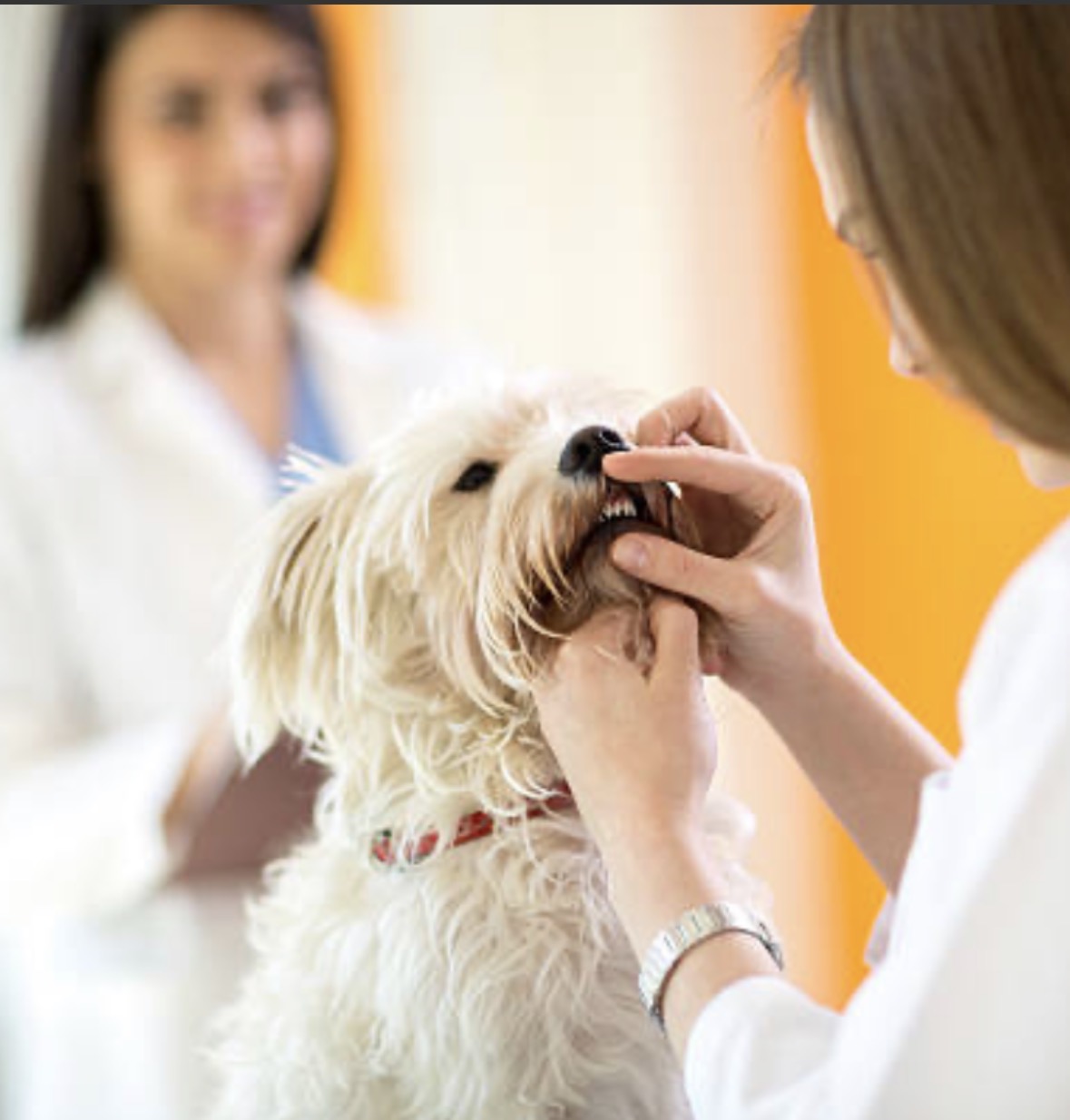
In modern times, it takes much more than pliers to be a good veterinary dentist. To become a veterinary dentist, a vet has to have completed a doctorate in veterinary medicine and surgery after years of college and then complete a residency in veterinary dentistry under a Diplomate Residency Director’s supervision. In North America, there are over 200 Board Certified Veterinary Dentists™ (Coffman), as of 2024, making it a viable STEM industry.
Veterinary dentists also have access to much more advanced technology than veterinarians did in the past. Instead of simply pulling a damaged tooth, they can use dental X-rays, specialized drills, anesthesia, and other equipment to diagnose and treat problems. Veterinary dentists can perform procedures ranging from routine cleanings and extractions to root canals, repairing fractured teeth, and even treating diseases of the jaw and mouth. These procedures can be performed on common pets like dogs and cats, but veterinary dentistry can also be important for animals in zoos and other specialized settings.
This means that animal dentistry has developed from a relatively simple part of animal care into its own specialized field. As veterinary medicine has advanced, maintaining an animal’s teeth has become recognized as an important part of maintaining its overall health.