
By Leah Hromalik
Clean drinking water is only half of Syracuse’s water system. After you flush a toilet, wash your hands, or take a shower, that water has to go somewhere. Used water, called wastewater, travels through sewer pipes to a wastewater treatment plant.
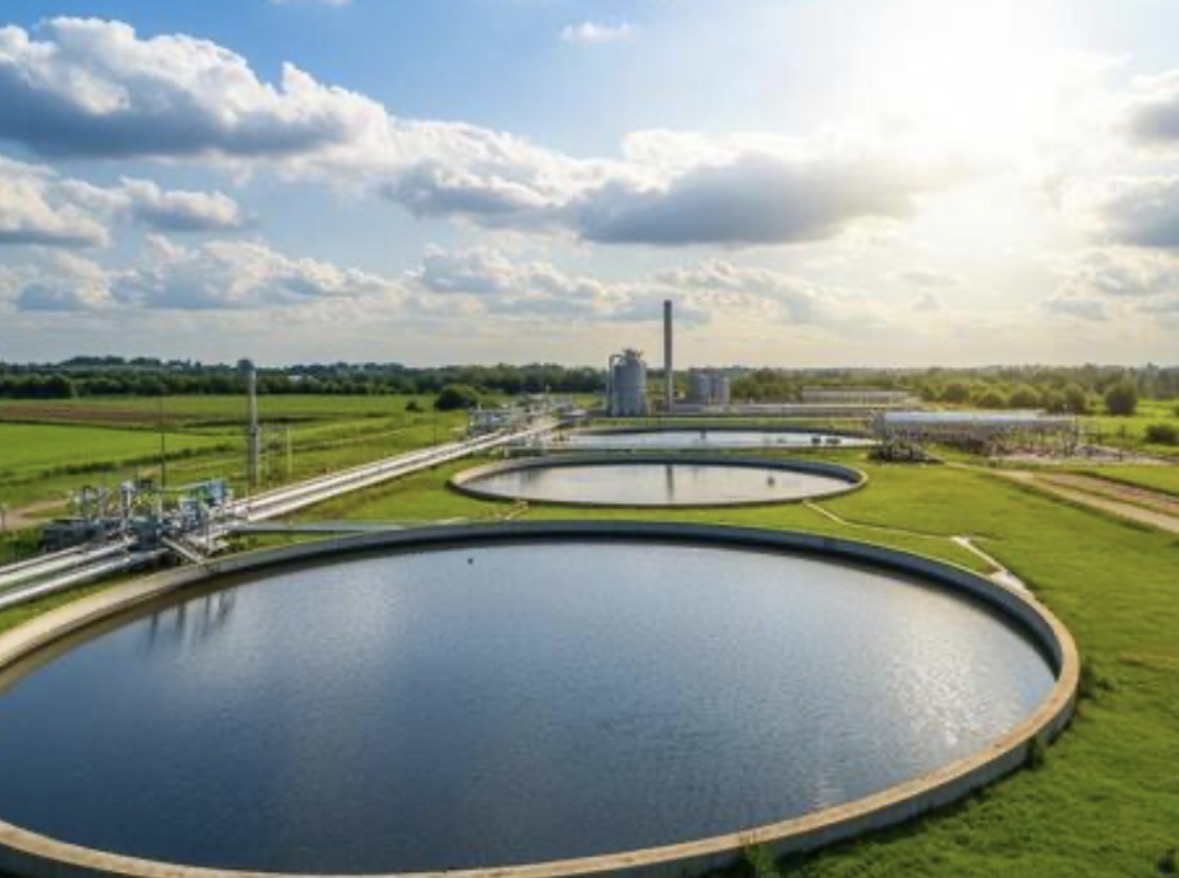
At the treatment plant, the water goes through several steps before it can safely return to the environment. Screens can remove larger pieces of trash and debris. Other processes allow solid materials to separate from the water. Microorganisms can then help break down waste and other materials that remain in it.
Workers must carefully monitor the water throughout this process. Scientists can test samples to determine whether the treatment process is working correctly, while specialized equipment measures different characteristics of the water. Pumps, tanks, pipes, and computer systems all help keep the plant operating.
Water treatment plants may not be something most people think about every day, but they perform an important job. From protecting drinking water to cleaning wastewater, Syracuse’s water systems combine biology, chemistry, engineering, and technology to protect both people and the environment.

